Iron and your genes
The hemochromatosis gene, explained simply
Why some people soak up too much iron, how to tell if you carry the gene, and the easy fix if you do.
In short
 Iron and your genes
Hemochromatosis at a glance
When your body keeps too much iron, and the gene behind it.
The gene
On the HFE gene, chromosome 6
HFE is your body's iron door.
When both copies are changed, the door can stay open and too much iron gets in.
Your result
Main change: C282Y, also called rs1800562.
Milder change: H63D, also called rs1799945.
Higher or small risk? Get your iron checked.
What too much iron can do
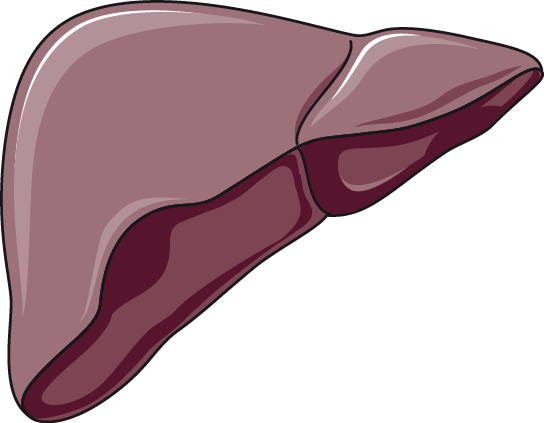
Liver scarring and cancer
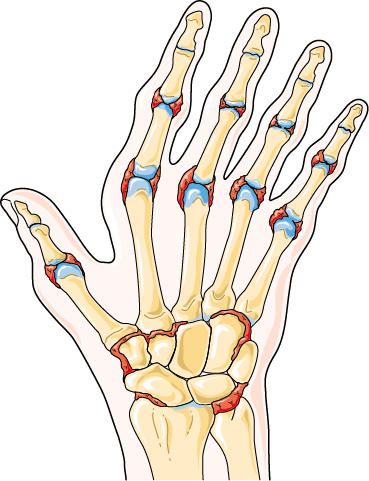
Joint pain
Tiredness
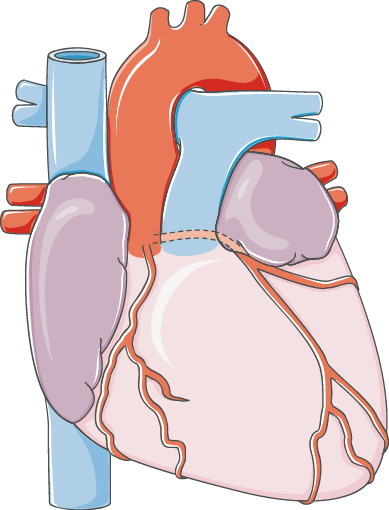
Heart problems
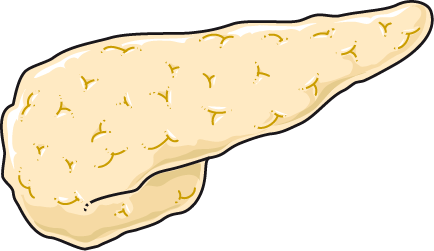
Diabetes
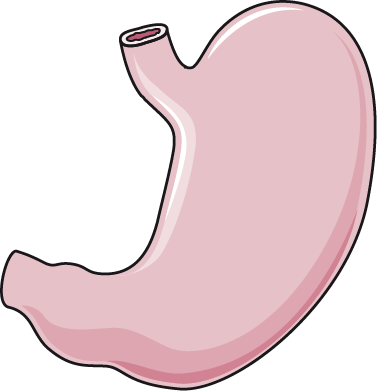
Stomach pain
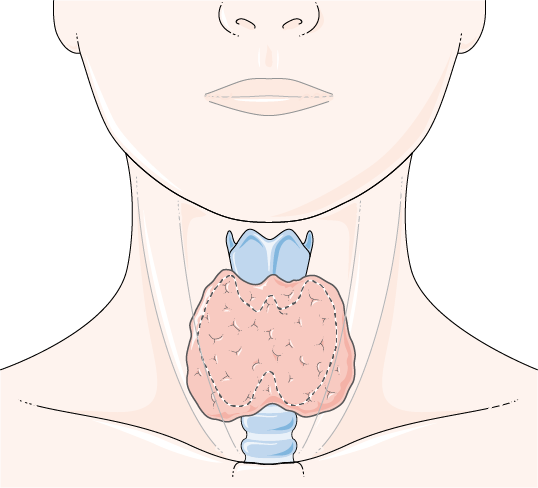
Hormone problems
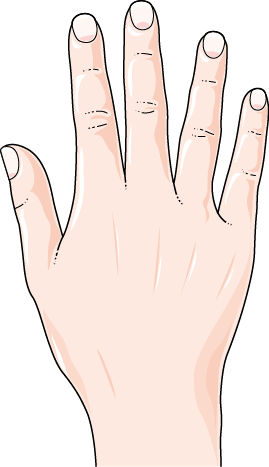
Bronze or grey skin
It builds up over years. If it causes problems, men often notice at 40 to 60, women after menopause.
What to do
Every day: skip iron and vitamin C pills unless a doctor says you need them, and go easy on alcohol.
Good news
Caught early, it's easy to treat and you can live a normal life.
Why does iron build up?
Your body needs iron to carry oxygen around your blood. But unlike most things you eat, iron has no exit. Your body can't pee it out or sweat it away in any real amount.
So it controls iron at the door instead: your gut only lets in as much as you need. The HFE gene is part of that door control. When it doesn't work properly, the door stays open a little too wide, and over many years the extra iron piles up in your liver, heart, joints and other organs.
What does your result mean?
There are two changes in HFE worth knowing: the main change (C282Y, also called rs1800562), behind most cases, and a milder change (H63D, also called rs1799945) that's very common. You can have 0, 1 or 2 copies of each.
The classic hemochromatosis result. Iron can build up over the years, more often in men. Ask your doctor for an iron blood test.
A small extra risk. Iron is often a little higher than average, but rarely high enough to cause harm. Real overload is uncommon and usually needs something else too, like heavy drinking, a fatty liver, being very overweight or diabetes. A blood test will tell you.
You're a carrier. It almost never causes problems for you, but your children could inherit it.
Very common, and on its own it rarely leads to too much iron, even with two copies.
You don't have either change. A few rare changes can also cause too much iron, but most DNA tests don't look for them, so if a blood test ever shows high iron, your doctor can look further.
Which one are you?
If you've done 23andMe, AncestryDNA or a whole genome test, you can check your file here, free. It never leaves your computer.
What are the signs?
Iron builds up slowly, so most people feel fine for years. If it does cause problems, men usually notice between 40 and 60. Women tend to notice later, often after menopause, probably because monthly periods remove some iron.
Early on
Feeling tired all the time, sore joints (often the knuckles of your index and middle fingers), tummy pain.
If it goes untreated
Liver scarring and liver cancer, diabetes, heart problems such as an uneven heartbeat, arthritis, low sex drive, periods that become irregular or stop, and skin that turns bronze or grey.
Lots of things cause tiredness and sore joints, which is why it's usually found with a blood test, not by symptoms.
Does it run in families?
Yes. You get one copy of the gene from each parent. If both your parents carry the main change, each of their children has a 1 in 4 chance of getting two copies.
So if you have two copies, tell your brothers and sisters. They're the people most likely to have it too, and doctors recommend they get checked.
How common is it?
More common than most people think, at least in people with Northern European roots: about 1 in 9 carry one copy of the main change, and about 1 in 200 have two. It's much rarer in people with Asian or African roots.
Far fewer people get sick than have the gene. In a large study that followed people into their mid-60s, about 1 in 4 men with two copies had an iron-related illness, but only about 1 in 80 women. The risk keeps rising with age.
I'm a carrier. Should I worry?
Almost certainly not. Carriers may have slightly higher iron than average, but rarely enough to cause harm, and doctors don't suggest testing carriers who feel well. A blood test is still easy to get if you have symptoms, drink a lot, or have liver problems.
Where it matters is having children: if your partner is a carrier too, each child has a 1 in 4 chance of two copies.
What can you do?
Most of this only matters if your iron is actually high, so step one is finding out. Each tip shows how well it's proven.
Get a simple iron blood test
If you have two copies of the main change, ask your doctor to check your iron. (The two numbers they'll look at are called transferrin saturation and ferritin.) With one of each, doctors advise a check too, especially if you drink or have a fatty liver.
If it's high, the fix is simple
Having blood taken regularly, a lot like giving blood, brings iron back down. Started early, before any damage, people live just as long as everyone else.
Everyday habits
Skip iron supplements
Unless a doctor finds you're low. Check your multivitamin too, many have iron in them.
Go easy on alcohol
Extra iron and heavy drinking both harm your liver. Together they make serious liver scarring far more likely. If your liver is already damaged, don't drink at all.
Skip vitamin C pills while your iron is high
Vitamin C helps your body take in iron from food, and big doses do it most. Fruit and veg are fine.
Have tea or coffee with meals
Both cut how much iron you take in from food. Tea has been tested in people with hemochromatosis, coffee only in healthy people. It may help a little, but it's no replacement for treatment.
Can my DNA test show it?
Common questions
Is hemochromatosis genetic?
Mostly, yes. The common kind comes from getting the main change from both parents. Iron can also build up for other reasons, like having lots of blood transfusions.
Can a carrier get sick?
Rarely. One copy of the main change on its own seldom raises iron enough to matter. Heavy drinking or liver disease can make high iron more likely. If you also have the milder change, that's a different result with a small extra risk.
Is the milder change dangerous?
Rarely on its own, even with two copies. It mostly matters when it's paired with one main change.
Does 23andMe test for it?
Its Health report checks both changes, and its raw data file includes both. What 23andMe checks
Do I need a special diet?
Usually not. Treatment does far more than food ever could. Skip iron and vitamin C pills, go easy on alcohol, and avoid raw or undercooked shellfish, like oysters, if your iron is high. They can carry a rare germ that thrives on iron and can cause a very serious infection.
How is it treated?
By having blood taken regularly until your iron is normal, then a few times a year to keep it there. People who can't have blood taken can use a medicine that pulls iron out instead.
For your raw data file
Looking at your own data? Your two letters are at the end of each line.
Example lines from a 23andMe file
Do you carry the gene?
Add your DNA file and we'll show your result for this article, in plain words.
Example result
One copy of the main change
You're a carrier. This rarely raises iron enough to matter.
Free, no account. Your file never leaves your computer.
New gene articles by email
Plain answers about what your DNA means, with every tip graded.
No spam, leave any time.
Sources
- MedlinePlus Genetics: HFE gene
- ClinVar: rs1800562 (C282Y) and rs1799945 (H63D)
- EASL Clinical Practice Guidelines on haemochromatosis, 2022
- GeneReviews: HFE-related hemochromatosis, 2024 and Allen et al., 2008: iron-related illness with two copies
- Niederau et al., 1996: long-term survival with treatment
- Fletcher et al., 2002: alcohol and liver scarring
- Cook and Monsen, 1977: vitamin C and iron absorption
- Kaltwasser et al., 1998: tea with meals and Morck et al., 1983: coffee
- Lu, Tzovaras and Gough, 2021: what each consumer DNA test reads (CC-BY 4.0)
For education, not medical advice. Talk to your doctor about your results.